Dental stress: what it is and how to prevent it
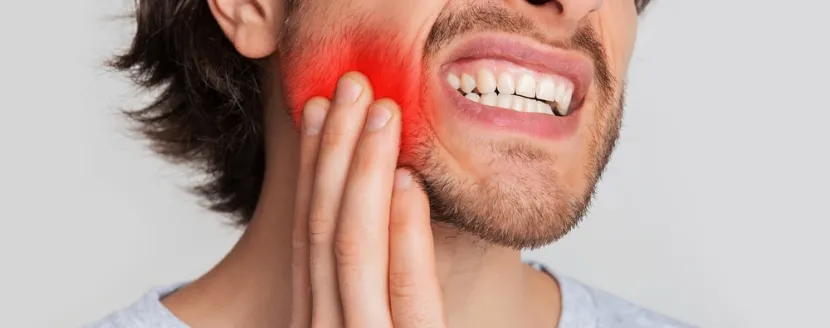
Stress doesn’t only affect your mood or sleep quality. It can also have a significant impact on your oral health.
Many people unconsciously clench their teeth, tense their jaw muscles, or develop harmful habits during periods of anxiety, pressure, or emotional stress. Over time, this can lead to tooth wear, jaw pain, sensitivity, headaches, and even dental fractures.
At Smile Design Peru, many patients seek treatment for symptoms related to jaw tension and stress-induced teeth grinding.
What is dental stress?
Dental stress refers to the impact emotional or physical tension can have on the teeth, jaw, and facial muscles. It is commonly associated with involuntary habits such as:
- Clenching the teeth
- Grinding during sleep
- Jaw tension
- Excessive pressure while chewing
In many cases, people are unaware these movements are happening until symptoms gradually appear.
Beyond tooth wear, dental stress may also affect:
- Jaw joints
- Facial muscles
- Gums
- Bite stability
Common symptoms of dental stress
Dental stress can appear in different ways, and some symptoms are often mistaken for other dental conditions.
| Symptom | Possible related cause |
| Jaw pain | Constant muscle tension |
| Tooth sensitivity | Pressure-related enamel wear |
| Headaches | Teeth grinding or jaw clenching |
| Cracked teeth | Excessive pressure while clenching |
| Tooth wear | Nighttime grinding |
| Clicking sounds when opening the mouth | Jaw joint imbalance |
If these symptoms occur frequently, it’s important to schedule a professional dental evaluation.
Bruxism and stress: a common connection
One of the conditions most closely linked to dental stress is bruxism. This occurs when a person unconsciously clenches or grinds their teeth, especially while sleeping.
The problem is that many people don’t realize it until discomfort appears or visible dental wear has already developed.
In some cases, bruxism may cause:
- Small dental fractures
- Enamel wear
- Tooth sensitivity
- Muscle inflammation
- Bite changes
Early evaluation helps identify warning signs before the damage becomes more severe.
You can learn more about bruxism treatments focused on protecting both oral health and smile aesthetics at Smile Design Peru.
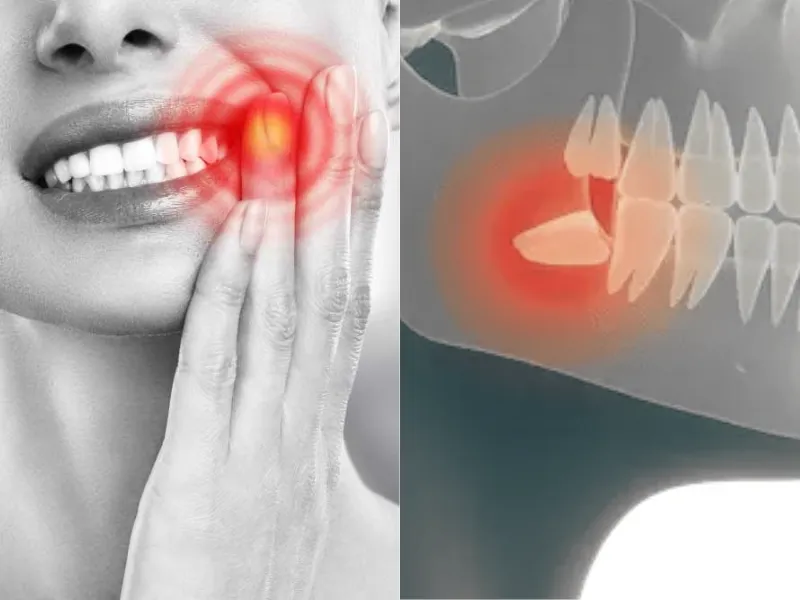
How to prevent dental stress
Although daily stress cannot always be completely avoided, there are several ways to reduce its impact on oral health.
Identify tension habits
Many people clench their teeth while working, driving, or using electronic devices without noticing it.
A simple habit is to pause during the day and check whether your teeth are pressed together unnecessarily. Becoming aware of these habits can help reduce constant pressure on the jaw.
Maintain regular dental check-ups
Routine evaluations help detect tooth wear, bite changes, or early signs of bruxism before they become more serious problems.
At Smile Design Peru, dental evaluations help determine how stress may be affecting your smile and what preventive measures can protect your teeth long term.
Consider using a night guard
For some patients, dentists may recommend custom night guards or oral splints to reduce the impact of nighttime grinding.
These devices help protect the teeth while reducing pressure on the jaw muscles and joints.
Stress can also affect the appearance of your smile
In addition to functional issues, dental stress can gradually affect the appearance of the teeth.
Progressive wear may lead to:
- Uneven tooth edges
- Small fractures
- Changes in tooth shape
- Loss of smile harmony
Treating dental stress not only helps relieve discomfort but also helps preserve the long-term appearance and health of the smile.
In cases where visible wear already exists, restorative and cosmetic dental treatments may help recover the natural shape and aesthetics of the teeth.
When should you schedule a dental evaluation?
If you frequently experience any of the following symptoms, it may be time for a professional evaluation:
- Jaw pain
- Facial tension
- Morning headaches
- Tooth wear
- Sensitivity
- Difficulty relaxing the jaw
Identifying the problem early helps prevent more serious complications and allows dentists to recommend solutions tailored to each patient’s needs.
If you notice signs related to dental stress or bruxism, contact Smile Design Peru for a personalized evaluation and professional guidance on protecting your smile.