
How long do dental veneers last? lifespan of porcelain vs composite veneers
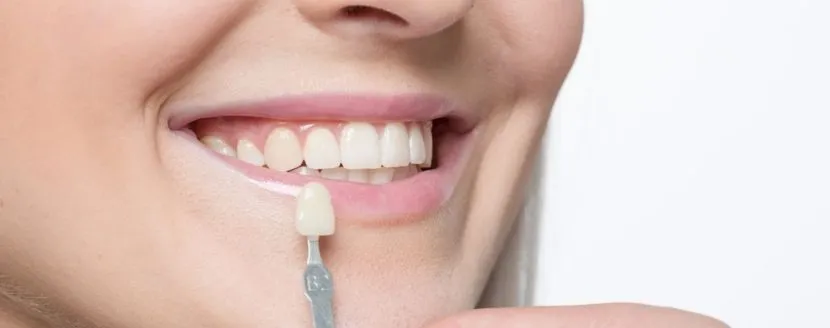
Dental veneers are one of the most popular cosmetic dentistry treatments for improving the appearance of a smile. They are commonly used to correct issues such as discoloration, minor misalignment, uneven tooth shape, and worn enamel.
A common question patients ask before choosing this treatment is: how long do dental veneers last?
The lifespan of veneers depends on several factors, including the type of material used, the quality of the dental procedure, and the patient’s oral habits. Understanding these factors helps patients make informed decisions about their cosmetic dental treatment.
Average lifespan of dental veneers
The longevity of dental veneers varies depending primarily on the material used.
In general:
- Porcelain veneers typically last between 10 and 15 years
- Composite veneers usually last between 5 and 7 years
With proper oral care and routine dental visits, veneers may last even longer.
The most important factors that influence longevity are professional placement, proper dental planning, and good daily oral hygiene.
Porcelain veneers vs composite veneers: durability comparison
| Feature | Porcelain veneers | Composite veneers |
| Average lifespan | 10–15 years | 5–7 years |
| Durability | High | Moderate |
| Resistance to stains | Very high | Can stain over time |
| Repair options | More complex | Easier to repair |
| Cost | Higher investment | More affordable |
Porcelain veneers are often preferred for patients seeking maximum durability and long-term aesthetic stability, while composite veneers can be a good option for those looking for a more cost-effective cosmetic improvement.
What factors affect the lifespan of dental veneers?
Although the material plays a significant role, the durability of veneers also depends on lifestyle and oral health habits.
Some of the most important factors include:
Teeth grinding (bruxism)
Grinding or clenching teeth places excessive pressure on veneers and may cause them to chip or wear faster.
Biting hard objects
Habits such as chewing ice, biting pens, or opening packages with the teeth can damage veneers.
Poor oral hygiene
Inadequate brushing and flossing may lead to gum disease or decay around the veneers, which can compromise their stability.
Staining habits
Frequent consumption of coffee, tea, wine, or tobacco may affect the appearance of some veneers, especially composite ones.
Lack of dental checkups
Regular dental visits allow dentists to monitor veneers and detect potential issues early.
Are dental veneers permanent?
Dental veneers are not technically permanent, but they are considered a long-lasting cosmetic dental solution.
Over time, veneers may need to be replaced due to natural wear or changes in the teeth and gums. This does not indicate treatment failure; it simply reflects the natural lifespan of dental materials.
With proper care, many patients enjoy beautiful and stable results for many years.
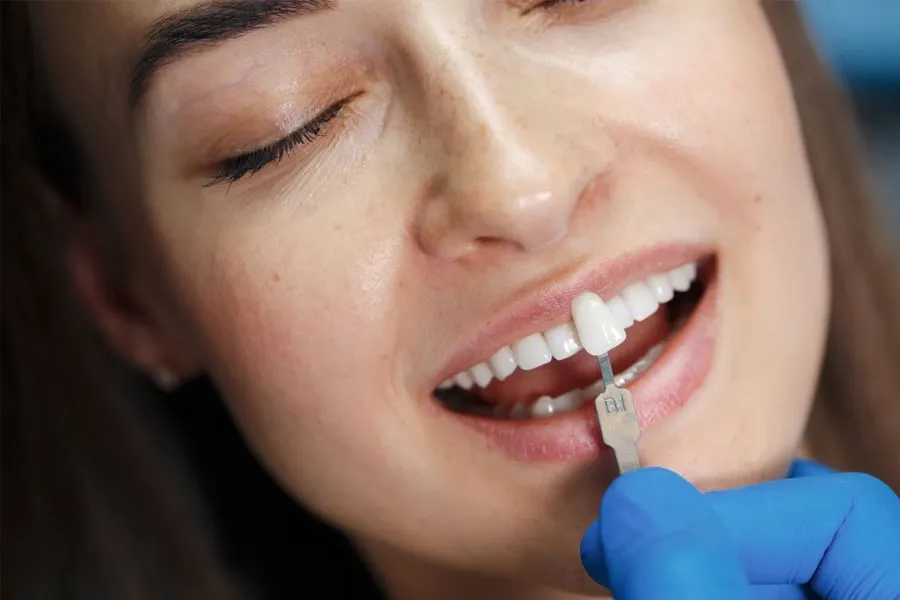
How to make dental veneers last longer
Patients can significantly extend the lifespan of their veneers by following several simple recommendations.
Dentists usually advise:
- Maintaining excellent daily oral hygiene
- Wearing a night guard if teeth grinding is present
- Avoiding very hard foods
- Visiting the dentist regularly for checkups
- Avoiding using teeth as tools
These preventive measures help protect veneers and maintain long-term aesthetic results.
Maintenance and care for dental veneers
Dental veneer maintenance is straightforward but requires consistency.
Routine dental visits include professional cleanings and examinations to evaluate the condition of the veneers, surrounding gums, and natural teeth.
Dentists also check the bonding edges to ensure the veneers remain securely attached.
Proper maintenance ensures long-term stability and natural appearance.
Why choose Smile Design for dental veneers?
Smile Design offers advanced cosmetic dentistry treatments focused on achieving natural-looking results.
Each veneer treatment begins with a personalized evaluation that considers tooth structure, bite alignment, oral habits, and aesthetic expectations.
The clinic uses high-quality materials and precise placement techniques to ensure veneers look natural and remain durable over time.
Beyond immediate cosmetic improvement, the goal is to create long-lasting smile transformations.
Conclusion: how long do veneers really last?
The answer to how long dental veneers last depends largely on the material chosen and the patient’s oral care habits.
Porcelain veneers generally offer the longest lifespan and superior stain resistance. Composite veneers provide a more affordable option but may require replacement sooner.
When placed by experienced cosmetic dentists and properly maintained, both types of veneers can deliver beautiful results for many years.
Schedule a consultation at Smile Design
If you are considering veneers and want to know how long they may last in your specific case, the best step is to schedule a professional consultation.
At Smile Design, patients receive personalized treatment planning and expert guidance to select the most appropriate veneer material.
Book your consultation today and discover how cosmetic dental veneers can transform your smile with long-lasting results.
Frequently asked questions about dental veneers
How long do porcelain veneers last?
Porcelain veneers usually last 10 to 15 years, and in some cases even longer with proper care and regular dental checkups.
Do composite veneers stain easily?
Composite veneers can stain over time, especially with frequent consumption of coffee, wine, or tobacco. Regular cleaning and good oral hygiene help minimize staining.
Can dental veneers break?
Although veneers are durable, they can chip or break if exposed to excessive pressure, such as teeth grinding or biting hard objects.
How often do veneers need to be replaced?
Most veneers need replacement after several years due to natural wear. The exact timing depends on the material and patient habits.