
Is it normal for teeth to move slightly? causes to know
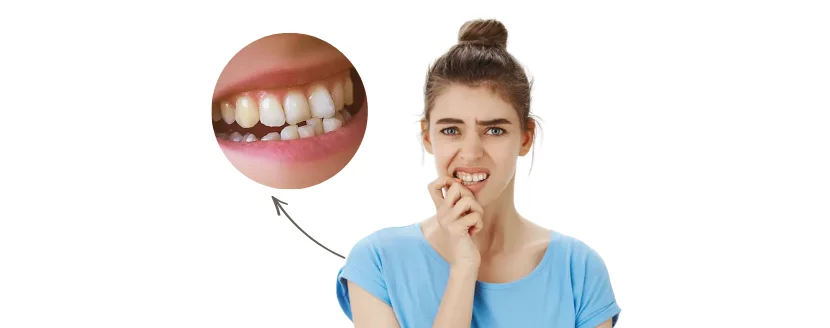
If you notice a tooth moving slightly when you touch it with your tongue or when you bite down, you may wonder: is it normal for teeth to move a little?
Natural teeth are not rigidly fused to the jawbone. They are supported by the periodontal ligament, a tissue that works like a cushion and allows for a very small amount of normal movement. In healthy teeth, this movement is usually so slight that you should not notice it during everyday activities.
What should not be ignored is a permanent tooth that suddenly feels loose, moves more than it used to, or is accompanied by pain, bleeding gums, swelling, or other symptoms.
Finding the cause early is important because it can help determine whether the tooth can be stabilized and what treatment may be needed.
So, is it normal for teeth to move a little?
Yes, healthy teeth naturally have a very small degree of mobility. This is because the periodontal ligament connects the tooth root to the surrounding bone and helps absorb the forces produced while chewing.
However, this normal movement is minimal.
If you can easily feel one of your teeth moving, it feels looser than the others, or the movement has increased over time, you should have it evaluated by a dentist.
Why do teeth become loose?
There is no single cause of tooth mobility. To understand why a tooth is moving, a dentist needs to evaluate the tooth itself, the gums, the supporting bone, and how your teeth come together when you bite.
Some of the most common causes include:
1. Periodontitis
Periodontitis, also known as advanced gum disease, is one of the most common causes of loose teeth in adults.
It affects the tissues and bone that support your teeth. As the condition progresses, it can lead to loss of attachment and bone around the tooth, making it more mobile.
Other signs may include:
- Bleeding gums
- Red or swollen gums
- Receding gums
- Persistent bad breath
- New spaces developing between teeth
- Changes in the position of your teeth
2. Teeth grinding or clenching
Grinding or clenching your teeth can place excessive pressure on them. This additional stress may contribute to tooth mobility, especially if there is already an underlying periodontal problem.
Other symptoms can include:
- Worn-down teeth
- Tooth sensitivity
- Tight facial or jaw muscles
- Jaw discomfort
- Pain or soreness when you wake up
If you notice that you grind or clench your teeth, or your teeth show signs of wear, mention it during your dental evaluation.
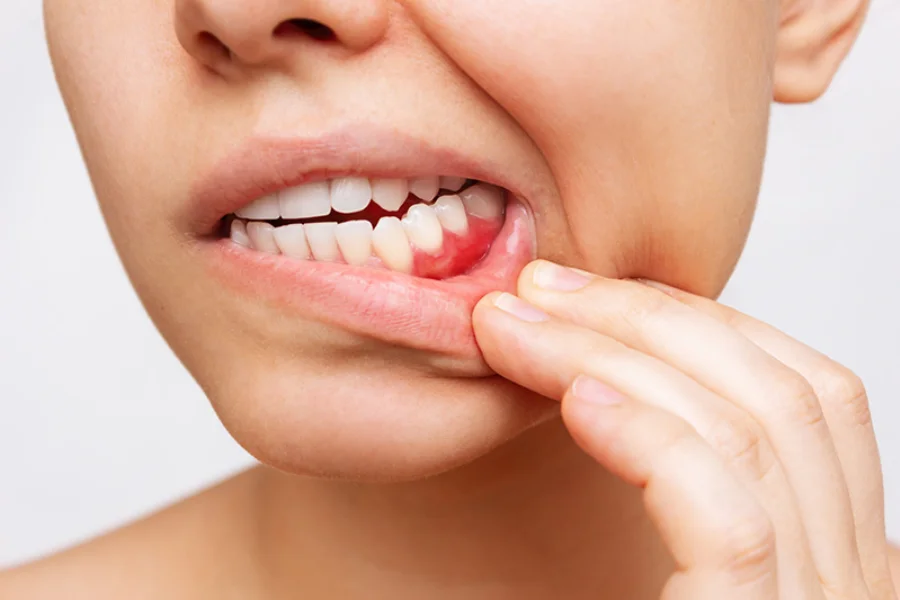
3. Dental trauma or injury
A fall, accident, sports injury, or direct blow to the mouth can cause a permanent tooth to suddenly become loose.
If a tooth feels loose after an injury, has shifted position, is bleeding, or hurts when you bite, it should be evaluated by a dentist as soon as possible.
4. Dental infections
When tooth decay progresses and an infection reaches deeper structures around the tooth, it may affect the tissues that support it and lead to pain, swelling, or mobility.
Possible symptoms include:
- Severe or throbbing tooth pain
- Swollen gums
- Pain when biting
- Pus or drainage
- Facial swelling
When should I see a dentist about a loose tooth?
If you are an adult and notice that a permanent tooth is clearly moving, scheduling a dental evaluation is recommended.
You should seek dental care especially if the tooth:
- Became loose suddenly
- Is becoming increasingly mobile
- Started moving after an injury
- Hurts when you chew
- Is accompanied by bleeding or swollen gums
- Occurs along with persistent bad breath or gum recession
- Is associated with pus or other signs of infection
You do not need to wait until the tooth becomes extremely loose.
Identifying the cause early may make it possible to treat the underlying problem before more supporting tissue or bone is lost.
Do you feel one of your teeth moving? Get it checked early
Although healthy teeth naturally have a tiny amount of movement, a permanent tooth that feels noticeably loose should not be ignored.
The cause may involve your gums, supporting bone, bite, an injury, or an infection, and each situation may require a different approach.
At Smile Design Peru, our dental team can evaluate the tooth and the surrounding tissues to determine what is causing the movement and recommend the appropriate treatment options for your situation.
Schedule a dental evaluation and find out what is causing your tooth to feel loose before the problem gets worse.